General liability
Example
Client trips over the sitter’s equipment
Coverage question
Does CGL cover the bodily-injury claim?

A dog sitter’s insurance problem is a business-liability problem, not an owner’s pet-health policy.
Use these checkpoints to frame the literal question before reading the full guide.
Dog sitting insurance should be evaluated around the sitter’s business activities: injuries to people, damage to property, animals in the sitter’s care, professional/service mistakes, business property and any vehicles or workers used in the operation. A general liability policy is a starting point, but exclusions can matter when an animal is in the business’s care, custody or control, so the actual policy should be matched to the services performed.
The sections below show how to verify the answer and what can change it.
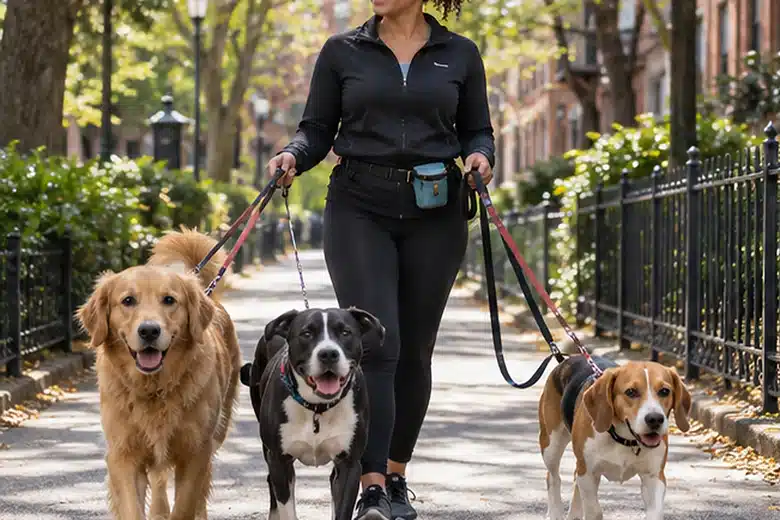
The policy has to fit the actual operation. A sitter who only makes drop-in visits has a different exposure from a business that boards several dogs overnight or transports them. Do not buy a generic “pet business” label without checking whether every material activity is included in the underwriting description.
| Exposure | Example | Coverage question |
|---|---|---|
| General liability | Client trips over the sitter’s equipment | Does CGL cover the bodily-injury claim? |
| Property damage | Sitter accidentally damages a client’s home | Is damage to third-party property within the insuring agreement? |
| Animal in care | Client dog is injured while entrusted to sitter | How does the policy handle animals in care/custody/control? |
| Professional/service error | Medication instruction is allegedly mishandled | Is professional liability/errors coverage needed? |
| Auto exposure | Dog is transported to a park/vet | Does the business use require commercial/non-owned auto coverage? |
California DOI’s commercial guide describes CGL as broad liability coverage within its insuring agreement, but the policy’s exclusions and endorsements still determine whether a particular dog-sitting exposure is covered.
Service contracts, emergency contacts, veterinary authorization, incident documentation and local business rules can all matter. This page does not invent a universal dog-sitting license requirement because requirements vary by jurisdiction. Confirm local obligations separately from the insurance contract.
Is injury to or loss of a client’s dog covered, excluded or endorsed?
Does operating from a residence change the policy?
Who is an insured and how are workers treated?
What vehicle-related exposures are inside or outside the policy?
Do not assume so. Business activities can be restricted or excluded; discuss the actual operation with an insurer or licensed producer.
Not always. Animals in your care and professional/service errors may require specific treatment or additional coverage.
No. The claim must fit the business policy’s insuring agreement, exclusions and limits.
These links provide independent government, academic or reference background. Actual policy wording controls insurance eligibility, benefits and claims.
This article does not imply that the specific animal, liability product, state or service discussed above is covered by the site's partner. If you are separately comparing medical insurance for U.S. domestic dogs or cats, the next button opens a separate quote route for that product; check the actual policy for eligibility and exclusions.